Top 10 Benefits of Capacitive Touch Screen for Global Buyers?
In recent years, the popularity of capacitive touch screens has surged globally. These screens have transformed user interfaces in various devices. Their intuitive touch response offers a seamless experience for users of all ages. Capacitive touch screens are not just a trend; they have become essential in modern technology. They provide a reliable interaction method, enhancing the appeal of devices ranging from smartphones to smart appliances.
Their benefits extend beyond aesthetic appeal. For global buyers, the advantages of capacitive touch screens include durability and responsiveness. They are designed to withstand wear and tear, making them a cost-effective choice. However, buyers should also consider the limitations, such as higher costs compared to resistive touch screens. The need for a conductive substance like a finger or stylus can pose challenges in certain environments. Understanding these factors is crucial for making informed purchasing decisions.
In conclusion, exploring the top benefits of capacitive touch screens reveals exciting possibilities. These screens can redefine how we engage with technology. However, potential buyers must weigh these advantages against the challenges. Making the right choice requires careful consideration and awareness of individual needs.

Advantages of Capacitive Touch Screens Over Resistive Touch Screens
Capacitive touch screens offer several advantages over their resistive counterparts, making them a preferred choice in various applications. One key benefit is their enhanced sensitivity. Capacitive screens detect the electrical properties of the human body, allowing for multi-touch functionality. According to recent industry reports, nearly 90% of smartphone users prefer capacitive screens for their responsiveness. This technology enables swift gestures and swipes, improving user experience.
Durability is another significant advantage. Capacitive screens are typically made from glass, providing a robust surface that resists scratches and impacts. A 2021 study noted that capacitive screens could last up to five years longer than resistive screens, reducing the need for frequent replacements. This longevity can result in cost savings over time, making capacitive technology a more economically viable solution for manufacturers.
However, it's essential to recognize some shortcomings. Capacitive screens might not work well in situations where users wear gloves, unlike resistive models. This limitation can hinder usability in industrial settings. Additionally, while they offer better image clarity, they can be more expensive to produce, leading to higher retail prices for consumers. Balancing these advantages and drawbacks is crucial for buyers assessing their needs in touch screen technology.
Top 10 Benefits of Capacitive Touch Screen
Enhanced User Experience with Multi-Touch Capabilities
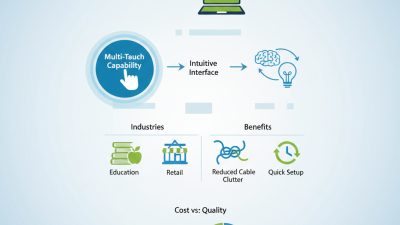
In today's digital world, capacitive touch screens have revolutionized user interaction. Their multi-touch capabilities stand out, allowing for several fingers to interact with the screen simultaneously. This feature enhances the ability to perform complex commands like pinch-to-zoom, making navigation smoother and more intuitive.
When designing applications for touch screens, consider the layout. Avoid cluttered interfaces. Instead, create spacious, easy-to-navigate screens that encourage natural hand movement. This can significantly improve user satisfaction.
Remember the importance of responsiveness. Touch screens should react quickly to inputs. A lagging response can create frustration and diminish overall user experience. Users expect instant feedback with every touch.
Lastly, don't overlook the need for regular testing. User preferences evolve, so your touch interface should adapt accordingly. Engaging potential users early in the design process can uncover insights that enhance functionality and ease of use. Creating an intuitive touch experience is not just about the technology, but about understanding and meeting user needs.
Top 10 Benefits of Capacitive Touch Screen for Global Buyers
| Benefit |
Description |
Impact on User Experience |
Market Preference |
| Multi-Touch Support |
Allows users to perform gestures like pinch-to-zoom. |
Enhances interactivity and engagement. |
High preference among mobile device users. |
| High Sensitivity |
Responds quickly to light touches. |
Reduces user frustration and enhances usability. |
Preferred in premium consumer electronics. |
| Durability |
More resistant to wear and tear compared to resistive screens. |
Increases lifespan of devices. |
Important factor for industrial and outdoor devices. |
| Greater Clarity |
Allows for brighter screens with better resolution. |
Provides a visually appealing experience. |
Highly preferred for gaming and multimedia applications. |
| Low Power Consumption |
More energy-efficient than other touch technologies. |
Extends battery life for portable devices. |
Critical for smartphones and tablets. |
| Stylus Support |
Compatible with stylus for precise input. |
Enhances productivity for designers and artists. |
In demand among graphic design communities. |
| Enhanced Security |
Supports biometric features like fingerprint scanning. |
Improves personal data protection. |
Gaining traction in financial services and personal gadgets. |
| Sleek Design |
Allows for thinner and more elegant device designs. |
Appeals to modern aesthetics. |
Highly desirable in flagship consumer products. |
| Versatility |
Can be used across various devices and applications. |
Supports diverse user needs. |
Essential for IoT devices and smart home technology. |
Durability and Longevity of Capacitive Touch Screens
Capacitive touch screens are known for their durability and longevity. They use a glass surface that resists scratches and impacts better than traditional displays. This makes them ideal for environments prone to wear and tear. Their sleek design further prevents dust and debris accumulation, which can hinder performance.
One tip for maintaining capacitive touch screens is to clean them regularly. Use a soft microfiber cloth to avoid scratching the surface. Avoid harsh chemicals as they can damage the screen's protective layer. Regular cleaning will ensure clear visibility and touch sensitivity.
Another important point is to be mindful of temperature variations. Extreme heat or cold can affect the screen’s functionality over time. It’s best to avoid exposing them to direct sunlight for long periods. If you notice any unresponsive areas, it may be time to check for environmental factors.
Capacitive screens can last for years, provided they are cared for properly. However, signs of wear may show after extended use. Being observant about these changes can help you decide when it's time for an upgrade. Remember, longevity also depends on how you handle and store the device.
Energy Efficiency and Battery Life Improvements
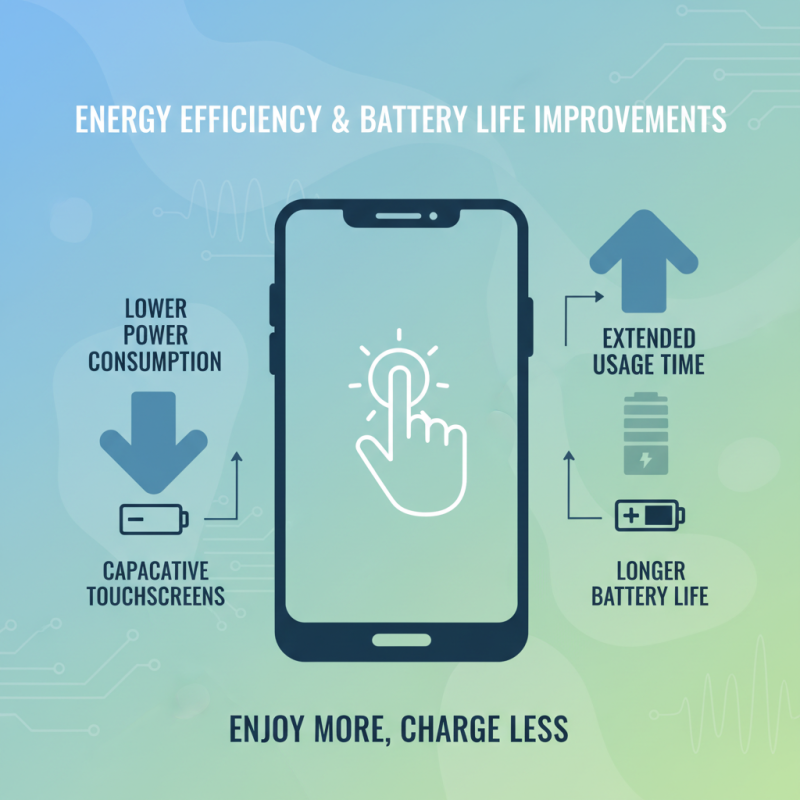
Capacitive touch screens have revolutionized modern devices. One of their standout features is energy efficiency. These screens consume less power compared to traditional technologies. This efficiency leads to longer battery life. Users can enjoy their devices longer without frequent charging.
The design of capacitive touch screens also plays a role in energy savings. They are often thinner and lighter. This means they can be integrated into sleek devices without sacrificing functionality. For instance, a thinner design benefits portable gadgets like tablets and smartphones. A more compact design reduces material use, contributing to sustainability.
However, there are challenges to address. Not every environment is suitable for capacitive screens. For example, cold weather can affect touch sensitivity. Users may find themselves frustrated, especially outdoors. Reflecting on these limitations can help manufacturers improve future designs. Striving for better performance in various conditions is essential for continued progress.
Market Trends and Global Adoption of Capacitive Technology
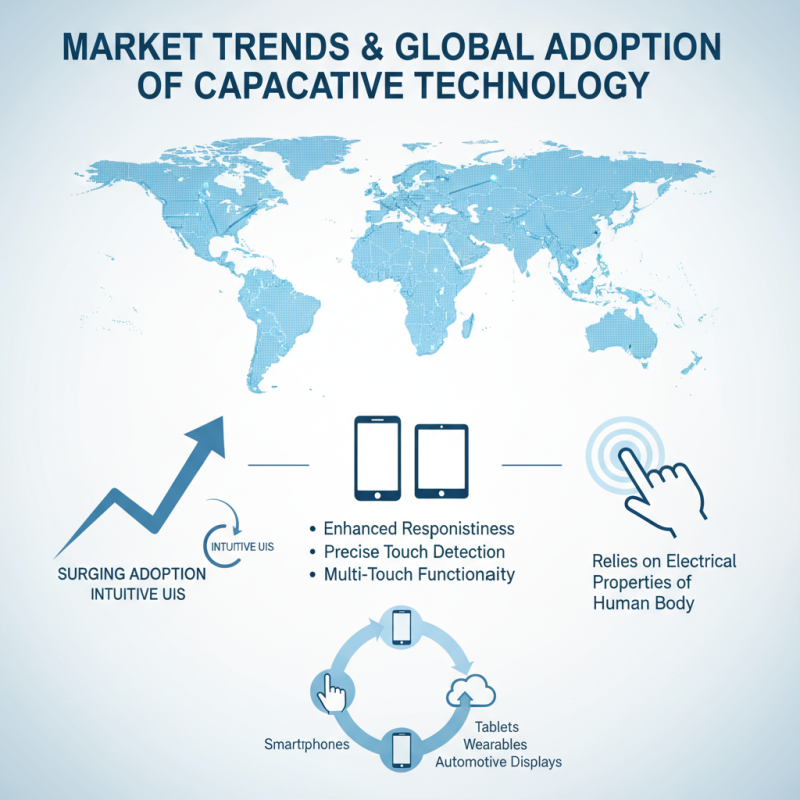
The adoption of capacitive touch screen technology is surging globally. This trend reflects the growing demand for intuitive user interfaces. Capacitive screens offer enhanced responsiveness, making them ideal for various devices. They rely on the electrical properties of the human body. This enables precise touch detection and multi-touch functionality. Such features are important for applications like smartphones and tablets.
In markets across Asia and Europe, capacitive technology is becoming a standard. Manufacturers are investing in research to improve durability and performance. However, challenges still persist. For instance, cost considerations can hinder widespread adoption, especially in budget-conscious markets. Despite this, the benefits, such as reduced wear and tear, are considerable. Capacitive screens generally last longer than their resistive counterparts. As consumer preferences evolve, the need for sleek designs and better interactivity continues to shape market trends.
Global buyers must navigate these developments. Understanding the nuances of capacitive technology is crucial. High-quality touch screens can elevate user experiences significantly. Yet, not all capacitive displays are created equal. Quality can vary widely, and buyers need to discern which products meet their needs. Exploring this technology will remain an ongoing journey as innovations emerge.