Leave Your Message

Top 10 Display Touch Panel Innovations You Should Know?

The world of Display Touch Panels has seen remarkable innovations in recent years. Each advancement has transformed how we interact with technology, making screens more intuitive and efficient. From smartphones to large interactive kiosks, Display Touch Panels power our daily experiences.

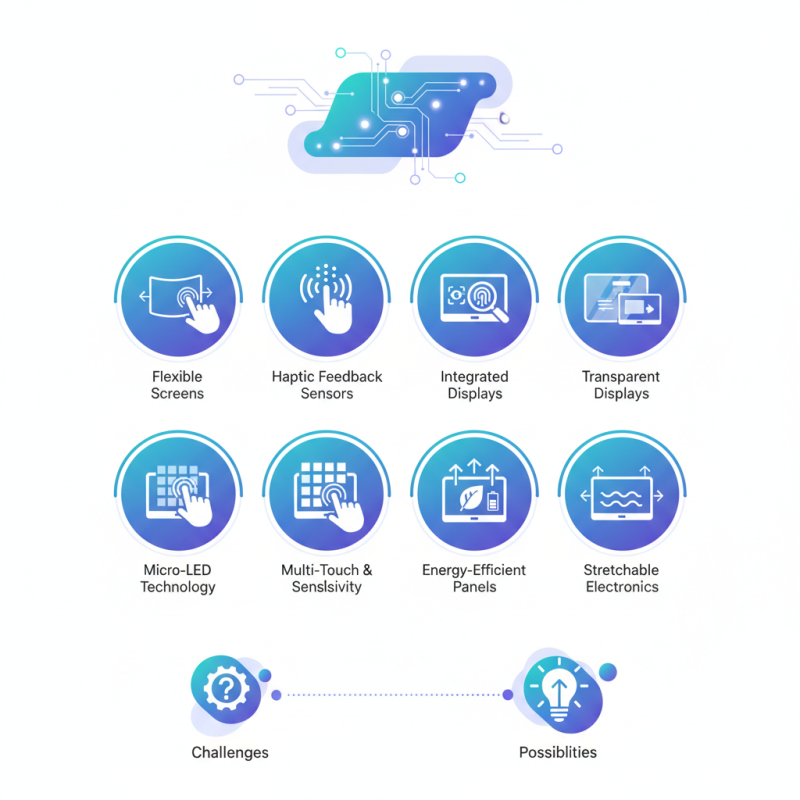
One notable innovation is the rise of flexible touch panels. These screens adapt to different shapes and applications, broadening their usability. Additionally, advancements in haptic feedback technology enhance user engagement, making every touch feel more real. Yet, the rapid pace of change raises questions about reliability and usability.

As we explore the top 10 Display Touch Panel innovations, we must consider both their potential challenges and exciting possibilities. Understanding these innovations can help us navigate a tech-driven future. The journey of Display Touch Panels continues to unfold, revealing a landscape full of promise and uncertainty.
Top 10 Display Touch Panel Innovations You Should Know?

Top Display Touch Panel Technologies Revolutionizing User Interactions

The world of display touch panel technologies is evolving rapidly. Innovations are reshaping how users interact with devices. One significant development is the introduction of enhanced multi-touch capabilities. This allows for more simultaneous gestures. Users can pinch, swipe, and rotate seamlessly. It transforms how we engage with software.

Another noteworthy advancement is haptic feedback. This feature adds a tactile dimension to touch interactions. Users feel physical sensations while navigating apps. This enriches the overall experience. However, it can sometimes lead to over-reliance on touch cues. Balancing these sensations with visual feedback is essential for clarity.

Additionally, advancements in flexible display technology are emerging. Flexible touch panels can now bend and fold. This creates new possibilities for design in smartphones and wearable devices. Yet, the durability of these panels remains an open question. As innovations continue, the challenge of making them robust is critical.

Emerging Trends in Capacitive Touch Panels: Market Growth and Innovations

Top 10 Display Touch Panel Innovations You Should Know?

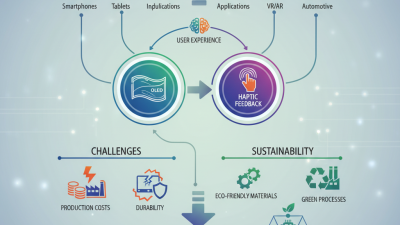
The capacitive touch panel market is thriving, predicted to reach $21.43 billion by 2025, according to industry reports. Innovations like ultra-thin sensors and flexible displays are reshaping user experiences across multiple devices. Efforts in improving response times and touch accuracy remain critical. However, manufacturers face challenges with production costs and material limitations that could impact overall growth.

Sustainability is becoming a focal point. Reports indicate a push towards eco-friendly materials in touch panel production. Another emerging trend is the integration of haptic feedback. This feature enhances user interaction, providing a more tactile experience. Yet, questions persist about manufacturing complexities and user expectations. Balancing innovation and feasibility poses a significant dilemma for many developers in the field.

The Impact of Flexible Display Technologies on Touch Panel Design

Flexible display technologies are revolutionizing touch panel design, offering unique opportunities and challenges. According to recent industry reports, the global flexible display market is projected to reach $114 billion by 2026. This growth signals an urgent need for designers to adapt to these evolving technologies.

The introduction of flexible touch panels allows for new form factors. Devices can now be curved or rolled, enhancing user experience. However, developers face significant hurdles. Durability and responsiveness are key concerns. Some flexible surfaces lack the tactile feedback users expect. Research from the International Display Workshops highlights that only 40% of flexible displays offer acceptable touch sensitivity.

Moreover, integrating flexible displays into existing designs complicates manufacturing processes. The transition requires specialized techniques that many companies may not have. As the market grows, maintaining reliability in these innovative designs will be essential. Balancing creativity with practicality is a continuous challenge. Addressing these issues will be crucial for the future of touch panel technology.

Top 10 Display Touch Panel Innovations You Should Know

Innovation Description Impact on Design Market Trend
Flexible Touch Screens Displays that can bend and flex without breaking. Allows for curved designs and new form factors. Growing demand in wearables and portable devices.
In-cell Touch Technology Integrates touch sensors directly into the LCD panel. Reduces thickness and improves display quality. Increasing popularity in high-end smartphones.
Haptic Feedback Provides tactile responses to user inputs. Enhances user experience and interaction quality. Expanding use in gaming and mobile applications.
Edge-to-Edge Display Maximizes viewing area with minimal bezels. Creates a more immersive viewing experience. Trend towards all-screen devices in smartphones.
Transparent Displays Displays that are see-through, allowing interaction with the environment. Enables new possibilities for augmented reality applications. Niche market in retail and advertising.
Multi-Touch Technology Supports multiple fingers touching the screen simultaneously. Facilitates advanced interactions and gestures. Standard feature in modern smartphones and tablets.
Ultra-thin Glass Glass displays that are significantly thinner than previous iterations. Improves aesthetics and reduces overall device weight. Preferred choice in premium device designs.
Anti-Glare Technology Reduces reflections and improves visibility in bright conditions. Enhances outdoor usability of screens. Increasingly essential in outdoor display markets.
Self-Healing Displays Displays that can repair minor scratches and damage automatically. Extends product lifespan and reduces repair costs. Emerging interest in higher durability screens.

Advancements in Multi-Touch Gestures and Their Market Adoption

Advancements in multi-touch gestures are shaping the future of display touch panels. The global touch panel market is projected to reach $69.4 billion by 2025, driven by innovations in gesture recognition technology. These advancements go beyond simple taps and swipes. They enable complex controls and interactions, such as pinch-to-zoom and multi-finger manipulations.

User experiences are enhancing with improved accuracy and responsiveness. A report from Market Research Future highlights that 70% of consumers prefer devices that support multi-touch. This growing market adoption signifies a shift in how people interact with their devices. More sectors, including automotive and healthcare, are integrating these technologies. However, challenges remain. Not all software seamlessly supports multi-touch capabilities. User training is often required to maximize functionality.

Innovators must carefully consider user ergonomics and accessibility. Not every user may feel comfortable with advanced gestures. Some may prefer traditional touch controls. Balancing innovation with user preferences requires ongoing research and development. As the market evolves, manufacturers must address these complications to optimize user engagement.

Top 10 Display Touch Panel Innovations in Multi-Touch Gestures

This chart represents the adoption rates of various innovations in multi-touch gestures for display touch panels. Notable advancements such as gesture recognition and multi-finger support show high adoption rates, indicating a strong market acceptance for these technologies.

Comparative Analysis of Touch Panel Materials: Durability and Performance

Top 10 Display Touch Panel Innovations You Should Know?

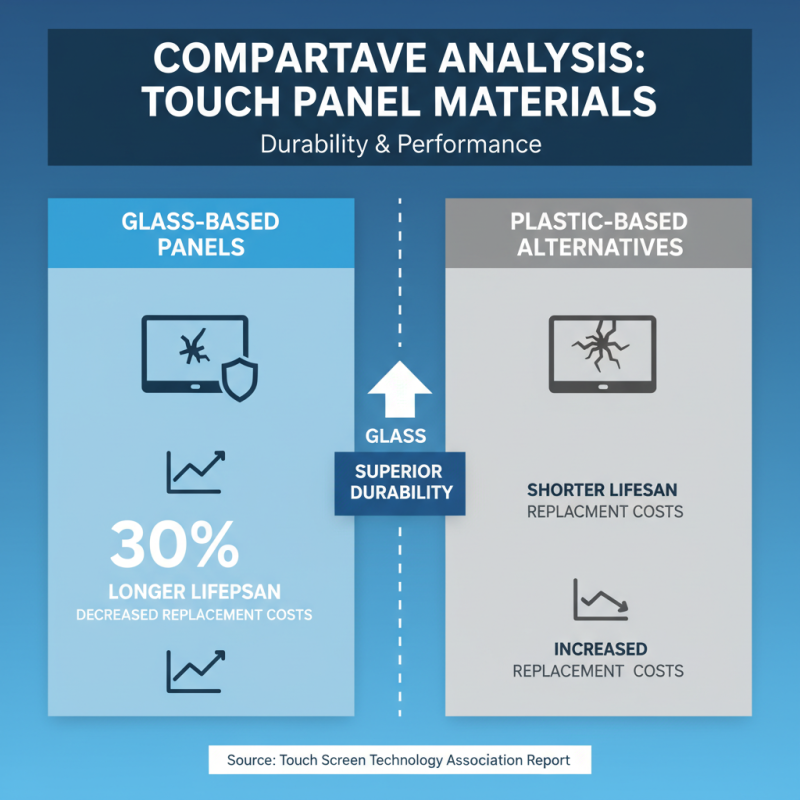
The touch panel industry has seen significant advancements in material technology. Evaluating durability and performance is crucial for manufacturers. A report from the Touch Screen Technology Association indicates that glass-based panels have a 30% higher lifespan compared to plastic alternatives. This durability often translates to decreased replacement costs for consumers.

Performance varies notably between materials. For instance, capacitive touch panels typically offer superior responsiveness. Industry data shows that these panels can react within 1-10 milliseconds. On the other hand, resistive touch panels may lag, averaging 20-40 milliseconds. This delay can frustrate users, especially in fast-paced applications.

There are still challenges to address. Many manufacturers grapple with balancing weight and durability. Thinner materials might enhance aesthetics but compromise strength. The industry must reflect on these trade-offs. Striking the right balance is essential for meeting consumer expectations while ensuring the longevity of touch panel products. Some studies suggest that users often prefer robust designs, even if they are slightly heavier.