Top 10 Advantages of Capacitive Touch Screens in Modern Technology?
In today's fast-paced technological landscape, the Capacitive Touch Screen stands out as a remarkable innovation. Its rise in popularity has fundamentally transformed how users interact with devices. Unlike traditional screens, capacitive technology offers a more responsive and intuitive experience. It caters to our modern needs, from smartphones to tablets and interactive kiosks.
Capacitive Touch Screens utilize the conductivity of the human body. This feature allows for precise touch recognition, enabling seamless navigation. Many users appreciate the multi-touch capability, which enhances functionality. However, some challenges persist. For example, these screens may become less responsive when wet or in certain environmental conditions. Recognizing these limitations is essential for manufacturers and users alike.
As technology evolves, the value of Capacitive Touch Screens continues to grow. They not only improve user experience but also streamline operations across numerous industries. Achieving the perfect balance of innovation and reliability remains a priority. This exploration focuses on the top ten advantages that capacitive technology brings to the table, shedding light on its significance in modern life.
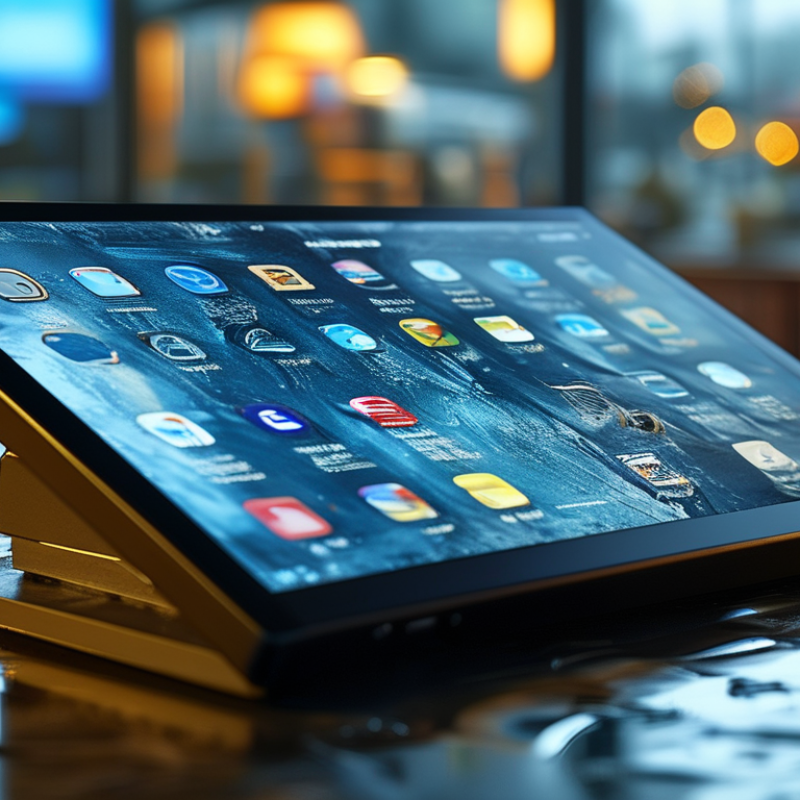
Advantages of Enhanced Sensitivity in Capacitive Touch Screens
Capacitive touch screens have transformed how we interact with technology. One of their standout features is enhanced sensitivity. This characteristic allows users to engage with devices lightly and intuitively. Even a gentle tap or swipe is often enough to register a response. This technology relies on the electrical properties of the human body, making interaction seamless and user-friendly.
The sensitivity of capacitive screens elevates the overall user experience. It promotes faster response times, making tasks easier to complete. You can scroll through apps or type messages with minimal effort. This is especially beneficial for people who rely on quick navigation. However, there can be drawbacks. In extremely humid conditions, these screens may react too sensitively or misinterpret touches. Not every user appreciates this unexpected responsiveness. Moreover, when using gloves, interaction becomes challenging.
Despite these imperfections, the advantages of capacitive touch screens are compelling. They promote accessibility and enhance everyday convenience. Individuals often find themselves drawn to devices that respond effortlessly. The blend of technology and touch creates opportunities for innovation. Enhanced sensitivity is a powerful tool that can change lives.
Improved Durability and Longevity of Touch Screen Technologies
Capacitive touch screens are revolutionizing modern technology with several advantages. One of the most significant benefits is their improved durability and longevity. According to a recent industry report, capacitive screens can have a lifespan of over 50,000 hours, far exceeding traditional resistive screens. This means fewer replacements and less electronic waste, which is crucial for sustainability.
Another aspect to consider is the resistance of capacitive touch screens to scratches and impacts. They are typically made with tough glass, built to withstand daily wear and tear. Research shows that these screens can resist pressure and last longer than older technologies. However, they can still be vulnerable to extreme conditions. High temperatures or direct exposure to water may affect their performance.
Tips: Use screen protectors to enhance durability further. Regular cleaning with proper solutions can also prolong the screen's life. Keep devices out of overly hot or moist environments to prevent damage. Remember, while these screens are durable, they still require care to maintain their quality.
Versatility in User Interface Applications and Designs
Capacitive touch screens have transformed user interface design in profound ways. Their sensitive surface allows for precise interaction, improving usability across devices. This versatility manifests in smartphones, tablets, kiosks, and more. Users enjoy seamless navigation with simple taps and swipes, enhancing overall experience. The natural feel of interaction helps bridge the gap between technology and the user.
Designers appreciate the ability to create sleek, modern interfaces. Capacitive screens enable vibrant displays that attract users. The absence of physical buttons allows for customizable layouts, supporting various applications. However, achieving optimal sensitivity can be a challenge. Different materials and user environments may impact performance.
Addressing these factors is crucial for enhancing reliability and functionality. Monitoring user feedback is essential to refine designs continuously. Developing intuitive interfaces remains both a goal and a challenge in this evolving landscape.
Seamless Multi-Touch Functionality for Enhanced User Experience
Capacitive touch screens have revolutionized how users interact with technology. One significant advantage is their seamless multi-touch functionality. This feature allows multiple fingers to work simultaneously. Users can pinch, swipe, and tap with ease. Such gestures create an intuitive interface that feels more natural.
Moreover, the sensitivity of capacitive screens enhances the user experience. They respond instantly to touch, making interactions fluid and responsive. Imagine navigating through images or zooming in on maps with just a flick of your fingers. However, it’s worth noting that not all users adapt quickly to multi-touch. Some may find it challenging or frustrating, especially when first transitioning from traditional interfaces.
The precision of capacitive touch technology cannot be overlooked. It detects even the lightest touch, providing accurate feedback. This fine responsiveness benefits tasks requiring precision, like drawing or editing. Yet, this same sensitivity can lead to accidental touches. Users might find themselves unintentionally activating functions. Balancing sensitivity and user control remains a challenge.
Energy Efficiency and Lower Power Consumption of Capacitive Screens
Capacitive touch screens have become essential in modern devices, bringing significant advantages in energy efficiency. One of their key benefits is lower power consumption compared to traditional technologies. These screens utilize the electrical properties of the human body. A small touch can register a signal, requiring less energy.
In practical terms, this means that devices equipped with capacitive screens can conserve battery life. For instance, a smartphone with a capacitive touch display uses about 20% less power. This efficiency is particularly noticeable in prolonged usage scenarios. Users can enjoy more screen time without worrying about rapid battery drain.
However, there are challenges too. Capacitive screens may not function well in certain environments. For example, using gloves can hinder responsiveness. Additionally, while they provide a sleek design, repairs can be complicated and costly. These factors invite reflection on how user preferences vary in different contexts. Balancing efficiency and practicality remains a subject of ongoing discussion in technology design.