What Are the Best Usb Touch Monitors for Your Business Needs?
In today's fast-paced business environment, choosing the right USB touch monitor is crucial. Industry expert Sarah Chen, a renowned technology analyst, emphasizes, “The right monitor can transform interactions and enhance productivity.” This highlights the importance of selecting a touch monitor that meets your specific business needs.
USB touch monitors offer versatility and ease of use. They are ideal for presentations, kiosks, or point-of-sale systems. Businesses must closely evaluate their options. Features like screen size, resolution, and durability play pivotal roles in decision-making. Not every model fits every purpose, and finding the right balance is essential.
However, despite the variety available, many companies still overlook essential functions. Some may prioritize a lower price over quality, risking performance issues. Users might also underestimate the importance of customer support and warranty. Investing in a reliable USB touch monitor is vital for business success. Consider both the immediate needs and long-term goals when making a choice.

Understanding USB Touch Monitors and Their Benefits for Businesses
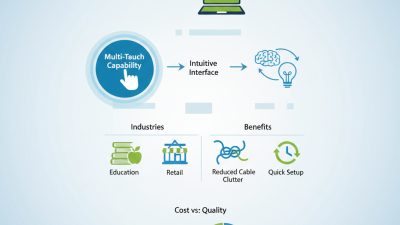
USB touch monitors are transforming how businesses engage with clients and streamline operations. These devices combine user-friendly technology with effective communication strategies. The tactile experience improves interaction, leading to higher customer satisfaction. In a retail environment, touch monitors can showcase products dynamically. This visual engagement encourages purchases and fosters a more compelling customer experience.
Incorporate USB touch monitors into your workflow to enhance productivity. They require minimal setup and reduce clutter. Keep in mind the importance of placement. Positioning the monitor at eye level can prevent strain and improve usability. Invest in quality screens that deliver clear images. Poor resolution can diminish first impressions.
Remember to consider the software applications you plan to use. Compatibility is crucial for a seamless operation. Test devices before committing to ensure they meet your business needs. USB touch monitors can evolve your workspace, but their effectiveness depends on thoughtful integration. Aim for a balance between functionality and user experience to achieve the best results.
What Are the Best USB Touch Monitors for Your Business Needs?
| Model |
Screen Size |
Resolution |
Touch Technology |
Connectivity Options |
Price Range |
| Model A |
15.6 inches |
1920 x 1080 |
Capacitive |
USB, HDMI |
$200 - $300 |
| Model B |
21.5 inches |
1920 x 1080 |
Resistive |
USB, VGA, HDMI |
$150 - $250 |
| Model C |
24 inches |
2560 x 1440 |
Capacitive |
USB-C, HDMI, DisplayPort |
$350 - $450 |
| Model D |
27 inches |
3840 x 2160 |
Capacitive |
USB, HDMI, USB-C |
$600 - $800 |
Key Features to Consider When Choosing a USB Touch Monitor
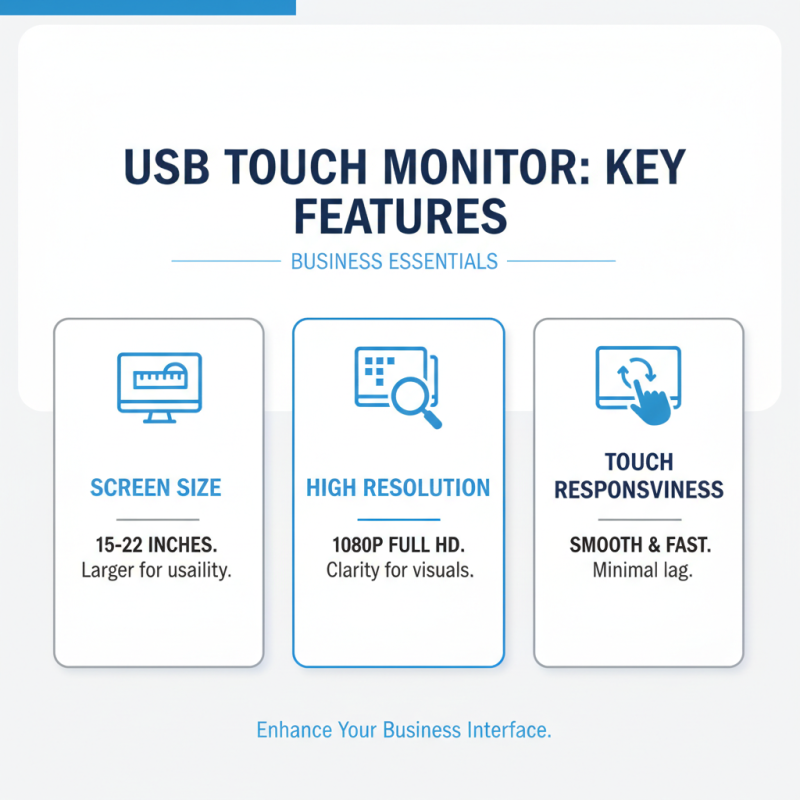
When selecting a USB touch monitor for your business, several key features stand out. Screen size matters; larger displays enhance usability. A monitor between 15 to 22 inches is often ideal for various tasks. Look for high resolution; 1080p is a solid standard. It ensures clarity in visuals and text. Touch responsiveness is crucial too. A monitor should provide a smooth touchscreen experience with minimal lag.
Tips: Consider the environment. Will the monitor be used in bright settings? If so, choose a model with anti-glare technology. This feature can improve visibility in diverse lighting conditions. Portability is another aspect. A lightweight design is useful for businesses needing flexibility.
Don’t forget about connectivity options. USB-C is becoming a preferred choice. It allows for both power and data in one connection, reducing clutter. However, check compatibility with your existing devices. Lastly, examine warranty and support services. Reliable customer service can save time and frustration in the long run.
Top USB Touch Monitor Brands and Their Popular Models
When it comes to choosing a USB touch monitor, understanding the key brands can significantly enhance your options. Many brands are recognized for their reliability and performance. These brands focus on creating touch monitors that cater to various business settings, from retail to corporate environments.
One popular option is a brand known for its sleek design and user-friendly interface. Their monitors are often appreciated for high-resolution displays, making them ideal for presentations. Another leading brand has garnered attention for its extensive range of sizes, allowing businesses to select what fits best in their space. Their touch functionality is responsive, which aids in productivity.
However, not all models are perfect. Some touch monitors may have issues with calibration or responsiveness under different lighting conditions. Feedback from users indicates that ongoing software updates are essential for optimal performance. It's crucial to consider these factors when selecting a touch monitor. This way, businesses can ensure they meet their operational demands effectively.
Best USB Touch Monitors for Your Business Needs
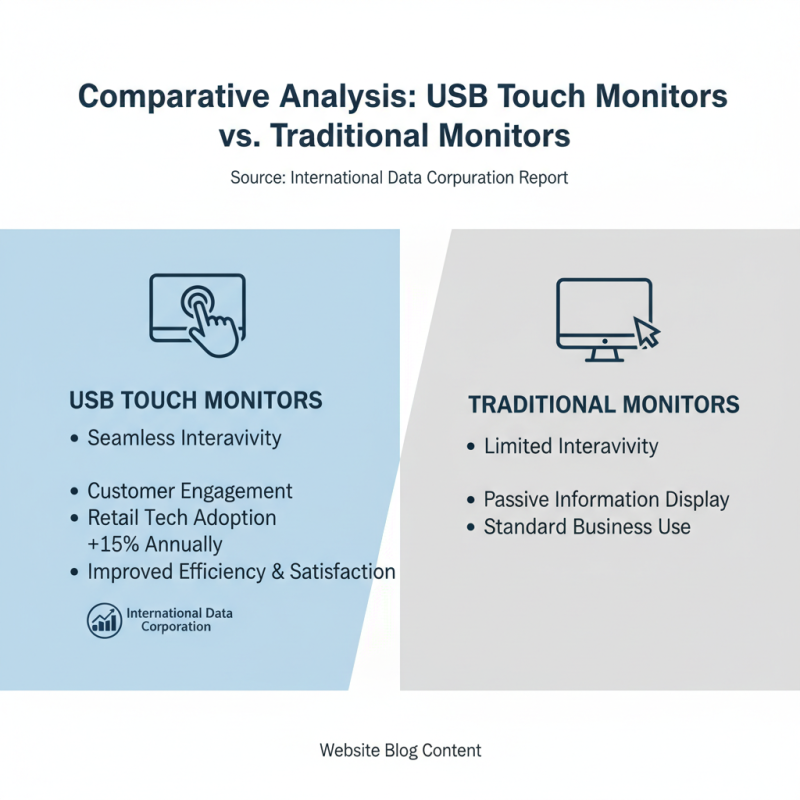
Comparative Analysis: USB Touch Monitors vs. Traditional Monitors
In recent years, USB touch monitors have gained attention in various business environments. They offer seamless interactivity, making them effective for customer engagement. A report from the International Data Corporation shows that touch screen technology adoption in retail is increasing at a rate of 15% annually. Businesses see improved efficiency and customer satisfaction through interactive displays.
However, the transition from traditional monitors to USB touch solutions isn’t without challenges. Many users report issues with touch accuracy, which can affect usability. While traditional monitors deliver consistent performance, touch monitors may require calibration to ensure accuracy. Furthermore, setup complexity can deter some businesses. A survey noted that 30% of IT departments face difficulties integrating these monitors into existing systems.
In contrast, traditional monitors typically offer a reliable, stable experience. They excel in visual quality without the added complexity of touch technology. While the interactive nature of USB touch monitors can enhance user experiences, this also raises questions about long-term durability and maintenance costs. Decision-makers should weigh these factors carefully. Each option has its merits, depending on specific business needs and goals.
Best Practices for Integrating USB Touch Monitors into Your Workplace
Integrating USB touch monitors into the workplace can enhance productivity. According to a recent survey by the International Data Corporation (IDC), companies that adopt touch technology report a 20% boost in collaboration efficiency. This improvement stems from the intuitive user experience that touch monitors provide. Workers find it easier to interact with software using touch, reducing the learning curve associated with traditional displays.
Consider the physical layout when placing USB touch monitors. Ergonomics play a vital role in user comfort and efficiency. A report from the Human Factors and Ergonomics Society suggests that poor positioning can lead to fatigue and decreased output. Mounting touch monitors at eye level helps minimize strain. However, it’s crucial to assess the specific needs of each role in your organization. Not all tasks benefit equally from touch input, and some users may prefer traditional methods.
Training employees on the new technology is crucial. A study by Gartner shows that insufficient training can hinder the successful implementation of new technologies. When introducing USB touch monitors, provide comprehensive training sessions. Encourage feedback to understand potential challenges. There’s always room for improvement in any technological integration. Evaluating both successes and failures ensures that the technology serves the business goals effectively.