What is a Capacitive Touch Screen and How Does it Work?
Capacitive touch screens have transformed the way we interact with technology. They rely on the electrical properties of the human body to detect touch. Dr. Emily Carter, a renowned expert in touchscreen technology, once stated, "Capacitive touch screens bridge the gap between users and devices." Her insights highlight the depth of connectivity these screens provide.
Understanding how a capacitive touch screen functions involves exploring its layered construction. At its core, it consists of a glass panel coated with a transparent conductor, usually indium tin oxide. When you touch the screen, your finger disrupts the electric field. This interaction sends signals to the device, enabling precise input detection. The technology is both elegant and complex.
However, despite their advantages, capacitive touch screens can present challenges. They may struggle with wet or gloved hands, limiting usability in certain conditions. Additionally, their reliance on electrical properties requires careful calibration. These limitations push developers to refine the technology continuously, seeking improved user experiences. As we explore the intricacies of capacitive touch screens, we uncover a blend of innovation and imperfection.
Definition of Capacitive Touch Screen Technology
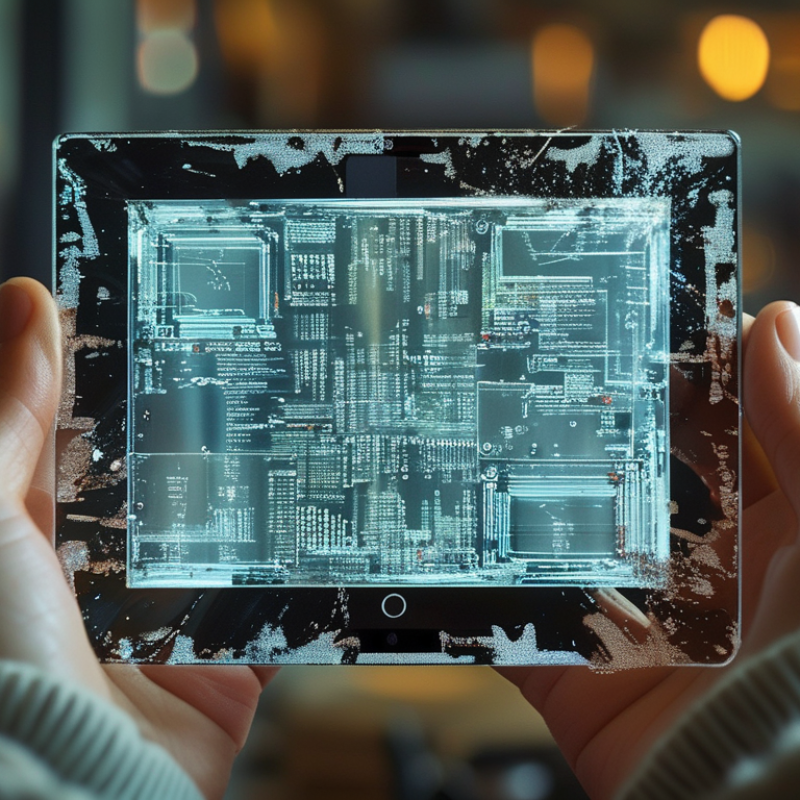
Capacitive touch screen technology is widely used in smartphones, tablets, and other devices. Unlike resistive screens, which rely on pressure, capacitive screens detect touch through electrical conductivity. This allows for more precise touch inputs. When a person touches the screen, their finger disturbs the screen’s electrostatic field. This change is detected by the device, translating the touch into action.
Many people may not realize that moisture can affect touch sensitivity. Rainy days or sweaty fingers can disrupt the screen’s performance. It's essential to keep your screen clean and dry for optimal function. Additionally, using a finger or a capacitive stylus enhances accuracy.
Capacitive screens also exhibit a faster response time compared to their resistive counterparts. However, these screens can be less reliable in cold weather, as they may not respond well to gloved hands. It’s a common issue that many users face. While capacitive technology offers excellent visual clarity and durability, understanding its limitations can improve user experience.
Capacitive Touch Screen Technology: Sensor Sensitivity Comparison
This chart illustrates the varying levels of touch sensitivity in capacitive touch screens. The data represents sensitivity levels ranging from low to high, highlighting the increasing responsiveness of touch screens.
Components of a Capacitive Touch Screen System
Capacitive touch screens rely on several key components to function effectively. At the heart of these systems is the transparent conductive layer, usually made of amorphous silicon or indium tin oxide. This layer senses touch by detecting subtle changes in electrical charge. When a finger approaches the screen, it disrupts the electrostatic field. Data from industry reports indicate that more than 90% of modern smartphones utilize capacitive technology, highlighting its importance in the market.
Another critical component is the touch controller, which processes the signals from the conductive layer. It translates finger movements into recognizable inputs for the device. Recent studies have shown that a responsive touch controller can improve user experience by reducing latency. A key challenge, however, is overcoming interference from water or dust. These elements can lead to false touches or reduced accuracy, highlighting the need for continuous innovation in material science.
Lastly, the display itself plays a vital role. A high-resolution LCD or OLED screen can enhance feedback for users. Enhanced visuals can lead to a better interaction experience. Yet, as technology advances, manufacturers must balance durability with sensitivity. It's an ongoing struggle to ensure that screens remain reliable, even in demanding environments. Continued research into new materials and technologies is essential to address these issues.
Principles of Operation: How Capacitive Touch Screens Work
Capacitive touch screens operate on the principle of electrical conductivity. They utilize the natural electrical charge of the human body. When you touch the screen, it creates a disturbance in the electric field. This disturbance is detected by sensors embedded in the screen. The screen then registers your touch and executes the corresponding action.
This technology relies on a transparent conductive material, typically indium tin oxide. This material allows for high visibility and touch sensitivity. The surface is layered with a protective glass, ensuring durability. But this setup can be sensitive to water and environmental factors. Users may find that rain or wet fingers can affect responsiveness.
Moreover, the technology can misinterpret accidental touches. This is especially true in crowded settings. The nuances in touch detection also require calibration. Despite its widespread use, improvements are still needed to enhance accuracy and user experience. Research continues to address these concerns for better performance in real-world applications.
Advantages of Using Capacitive Touch Screens
Capacitive touch screens have transformed how we interact with technology. One major advantage is their sensitivity. These screens detect touch through the electrical properties of the human body. This allows for a fluid and immediate response when you tap on the surface. The feel of a capacitive touch screen often feels more natural, as it responds swiftly to gestures.
Another significant benefit is their durability. Unlike resistive screens, which can wear out from repeated pressure, capacitive screens are more resilient. They maintain clarity and touch sensitivity over time. Additionally, these screens are generally brighter and offer better outdoor visibility. This makes them ideal for smartphones, tablets, and other devices often used in various lighting conditions.
Tips for maintaining a capacitive touch screen include using a soft microfiber cloth for cleaning. Avoid abrasive cleaners that can scratch the surface. Also, think about using a screen protector. It adds a protective layer against scratches without affecting touch sensitivity. Consider experimenting with different screen protectors, as some may offer better performance than others.
Common Applications of Capacitive Touch Screen Technology
Capacitive touch screen technology has become ubiquitous in everyday devices. Its applications span across various fields, enhancing user interactivity and efficiency. In the consumer electronics sector, smartphones and tablets utilize capacitive screens for their high sensitivity and multi-touch capabilities. This responsiveness allows users to perform gestures, such as zooming or swiping, which significantly improves the overall experience.
Beyond personal devices, capacitive touch screens are widely used in industrial settings. Control panels in factories often rely on this technology for precise input and real-time monitoring. Employees can quickly access information, making operations more efficient. However, the environment may present challenges. For instance, excessive dust or moisture can impact performance, prompting the need for rugged designs.
In retail, these screens facilitate customer interaction at self-service kiosks. Shoppers can browse menus or make purchases easily, streamlining their experience. Yet, not all users embrace this technology. Some may find touch interfaces frustrating, especially senior people. This highlights the importance of understanding and addressing varied user needs, ensuring that inclusivity is prioritized in design.