2026 Best Display Touch Panel Innovations for Enhanced User Experience?
In the fast-evolving world of technology, the evolution of the Display Touch Panel stands out. This innovation plays a pivotal role in shaping user experiences across various devices. Enhanced touch responsiveness and clarity are just the beginning. As we approach 2026, new features promise to redefine interaction.
User expectations are rising. Consumers demand more intuitive interfaces that blend seamlessly with their lifestyles. Innovations aim to address these needs, making technology more accessible to everyone. Challenges remain, however. Not all advancements translate into real-world benefits. Companies must balance cutting-edge features with practical usability.
The journey towards better Display Touch Panels is ongoing. Industry leaders are experimenting with diverse materials and technologies. Some designs may not meet user preferences. Understanding user feedback is essential for improvement. This exploration into 2026's touch panel innovations highlights both excitement and uncertainty, paving the way for future advancements.
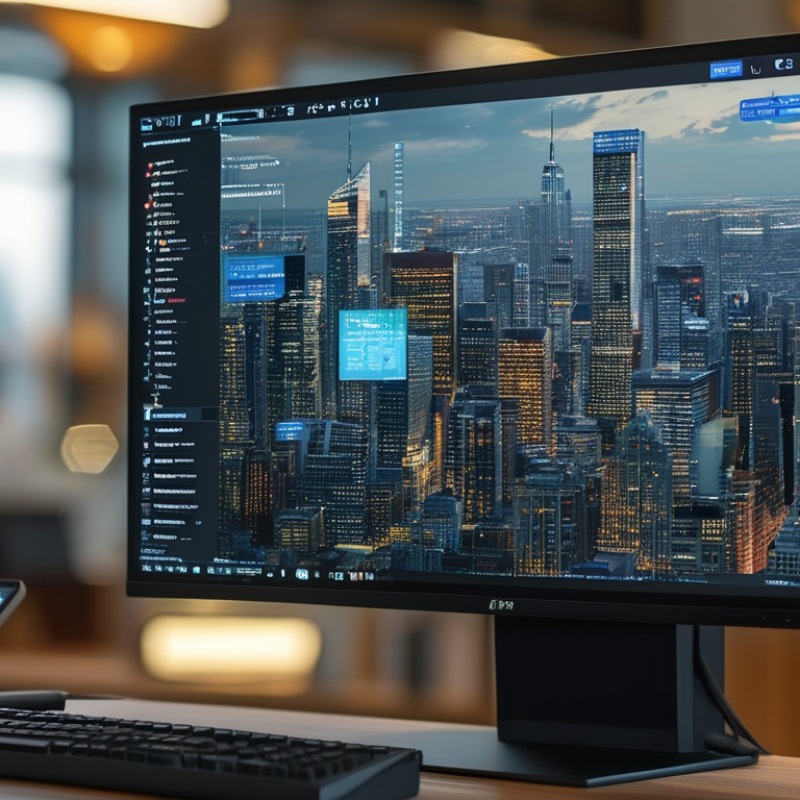
Advancements in Touch Panel Technology for 2026
Touch panel technology is rapidly evolving. In 2026, we can expect significant advancements that enhance user experience in various industries. A recent industry report from MarketsandMarkets indicated that the global touch panel market is projected to grow to $57.2 billion by 2026, reflecting a compound annual growth rate (CAGR) of 10.6%. This indicates a strong demand for innovative touch solutions.
One promising development is the integration of flexible displays in touch panels. This technology allows for greater adaptability in device design. As users seek personalized experiences, manufacturers are creating touch panels that can bend and shape according to user preference. However, the durability and reliability of these interfaces remain a crucial concern. The fragility of flexible materials can lead to performance issues over time, which requires careful consideration during design.
Another area of focus is haptic feedback technology. Reports suggest that haptic feedback can significantly enhance user interaction by providing tactile responses. This makes touch interactions feel more intuitive. Yet, the implementation of such technology often results in increased production costs, which can deter smaller companies. Balancing the cost with enhanced user feedback remains a challenge. Overall, while the future holds exciting prospects for touch panel innovations in 2026, there are complexities that demand industry reflection and careful development.
Key Features of Enhanced User Experience in Touch Displays
In recent years, touch display technology has evolved significantly, enhancing the user experience across various devices. Key features of an enhanced touch display include improved haptic feedback. Users appreciate tactile responses that mimic physical buttons. It creates a more immersive experience. The right feedback can make interactions feel more natural and intuitive.
Another vital aspect is the increased sensitivity of touch panels. Devices now respond to lighter touches. This improvement caters to users of all ages. It allows more precise control over applications. However, overly sensitive screens can lead to accidental inputs. Striking a balance is crucial in design.
Moreover, advanced multi-touch capabilities expand how users interact with displays. This allows for gestures like pinch-to-zoom and swipe. However, not all interfaces support these gestures effectively. Users may find some systems unresponsive or confusing. Therefore, while innovation continues, there is a need to refine existing systems for clarity and usability. These refinements shape the future landscape of touch displays.
Innovative Materials and Designs Transforming Touch Panels
Innovative materials are reshaping touch panel technology. Recent developments focus on the integration of advanced polymers and nanomaterials. These materials enhance functionality while also reducing weight. Increased durability and responsiveness are essential for modern devices, from smartphones to smart home systems.
New designs emphasize user interaction. Flexible screens can adapt to various surfaces, allowing for novel applications. Touch panels can now incorporate haptic feedback, providing physical sensations. This feature transforms user experience, making it more immersive. However, the challenge lies in balancing sensitivity and resistance. Overdoing either can lead to frustration for users.
Sustainability is a growing concern. While innovation thrives, the environmental impact of production cannot be ignored. Researchers advocate for eco-friendly materials to offset waste. Transitioning to greener solutions often reveals unforeseen obstacles. It requires collaboration across industries to develop viable options.
Integration of AI and Gesture Recognition in Touch Technology
The landscape of touch technology is evolving rapidly, particularly with the integration of AI and gesture recognition. This combination enhances user interaction significantly. Users now can control devices with simple hand movements, making the experience more intuitive. For instance, imagine adjusting volume levels or browsing through applications with a flick of your wrist. This not only simplifies tasks but also adds a layer of engagement.
However, challenges exist in perfecting this technology. Gesture recognition can sometimes misinterpret user movements. A wave intended for scrolling might accidentally trigger an app launch. Moreover, users may grow frustrated if the system fails to recognize gestures consistently. The learning curve can be steep, especially for those not accustomed to such interfaces.
Incorporating AI helps improve gesture accuracy over time. Machine learning algorithms learn from user patterns and refine responses. However, it must balance ease of use with reliability. There is a risk of over-reliance on technology. The most effective solutions will consider human behavior while addressing errors and user discomfort. Continuous feedback will be essential for improvement. Embracing both innovation and user experience will pave the way for smarter touch panels in 2026 and beyond.
Future Trends in Touch Panel Applications and User Engagement
The future of touch panels is fascinating. According to a recent report by MarketsandMarkets, the touch panel market is expected to reach $62.76 billion by 2026, driven by innovations in user engagement. These advancements are redefining how users interact with devices. Enhanced sensitivity and multi-touch capabilities are now standard, allowing more fluid interactions.
Trends indicate a shift toward haptic feedback technology. Users want tactile responses for better immersion. This technology can simulate textures, which enhances the sensory interaction. However, the challenge lies in balancing this innovation with cost-effectiveness. Companies need to assess the return on investment for integrating such features.
Tips: Always consider user preferences in design. Engaging users requires understanding their needs. Additionally, iterative testing is vital. Gathering user feedback during development can highlight areas needing improvements. Balancing trend adoption with practicality is essential as the market evolves.
2026 Best Display Touch Panel Innovations for Enhanced User Experience
| Innovation Type |
Key Features |
User Engagement Benefits |
Potential Applications |
| Flexible Touch Panels |
Lightweight, bendable materials |
Enhanced interaction in diverse environments |
Wearable devices, mobile gadgets |
| Multi-Touch Surfaces |
Responsive to multiple concurrent touches |
Improved collaboration in group settings |
Smartboards, gaming devices |
| Haptic Feedback Panels |
Tactile sensation with touch interactions |
Increased realism in digital interactions |
Virtual reality, automotive displays |
| Transmissive OLED Displays |
Vibrant colors, ultra-thin design |
Attractive visuals that engage users |
Smartphones, tablets |
| Transparent Touch Panels |
See-through functionality, minimal obstruction |
Innovative experience; blends with physical spaces |
Smart windows, advertising displays |